

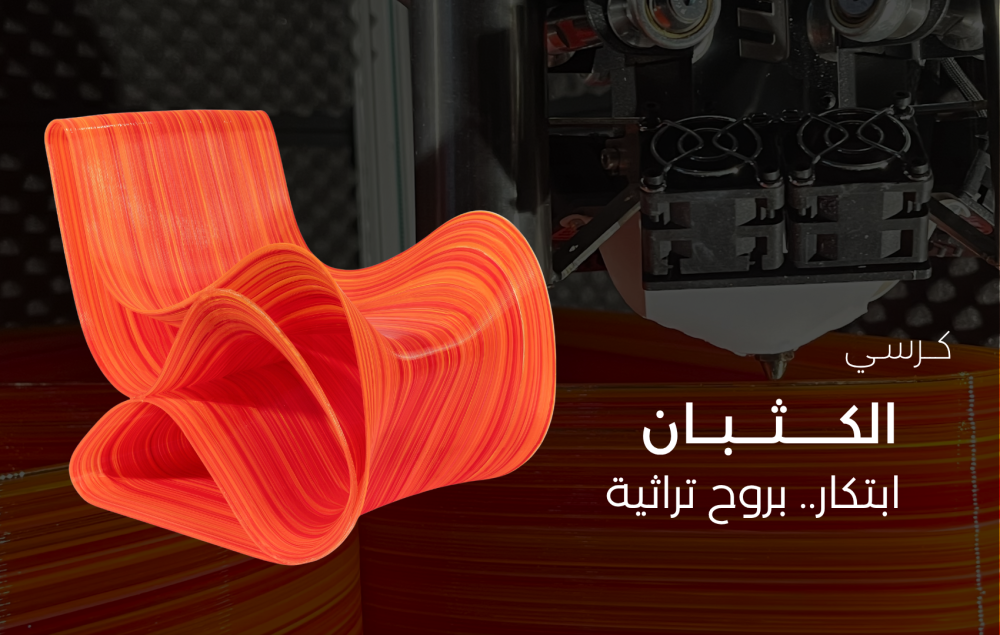
3D printed furniture with unique touches and limitless possibilities
3D printing (AM) technology is revolutionizing the furniture industry, opening up unparalleled possibilities for customization, design flexibility, and sustainability. Among the many 3D printing technologies available, pellet extrusion stands out as our preferred choice.
This technology enables the rapid and cost-effective production of large-scale furniture, making it ideal for creating functional, ready-to-use products. Fused also aims to create a stunning lounge chair inspired by the fluid shapes of sand dunes.
This project highlights the transformative potential of 3D printing technology using granular printing, and shows how this technology enables designs that are impossible using traditional methods.
At Fused, we continue to push the boundaries of engineering and design to unlock the full potential of additive manufacturing technologies, inspiring more people to explore the creative possibilities of these technologies.
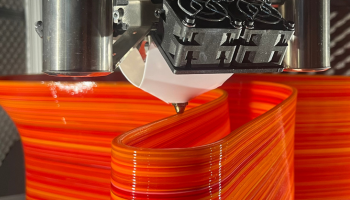
In the past, furniture designers and manufacturers faced significant challenges in creating unique and customizable pieces. Traditional production methods required extensive specialized tools, time-consuming prototyping processes, and generated large amounts of wasted material.
Additionally, complex and elaborate designs were either too expensive or unfeasible. However, 3D printing technology has changed these limitations, offering innovative solutions that have opened up new horizons in the field of furniture and home accessories.
In the final project, large-format WASP printers were used, allowing her to create a single, integrated chair.
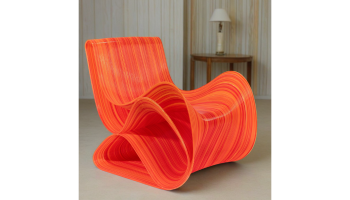
Redefining Furniture Design with 3D Printing: Beyond Traditional Boundaries
Combining aesthetics and function is no easy task, and Fused's goal was to design a chair that would not only stand out from traditional furniture, but also from the 3D-printed designs already on the market.
The vision was to create a streamlined, attractive design that pushed the boundaries of what could be achieved using additive manufacturing techniques.
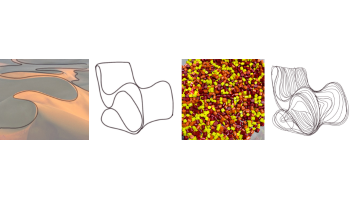
Fused decided to boldly print the chair with the side facing down directly onto the print surface. This approach allowed for greater creative freedom and a more fluid, natural design.
However, this choice was not without its challenges. The design had to avoid excessive protruding parts that could complicate the printing process. Furthermore, the chair had to be sturdy and able to support weight without bending excessively, like any other functional piece of furniture.