

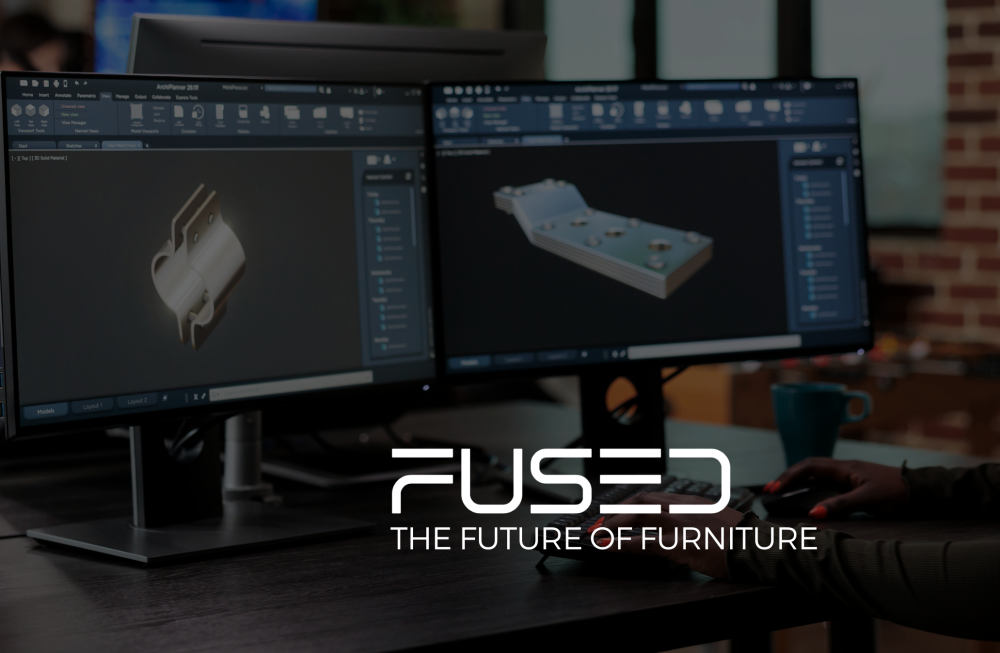
The basic stages of 3D printing: from idea to prototype
3D printing is one of the most revolutionary technologies in the world of manufacturing and creativity, enabling digital designs to be transformed into real objects using precise and innovative technology. But what are the stages involved in this process to produce a tangible piece from a mere digital idea?
In this blog, we review the basic steps of 3D printing in a simple and clear manner.
Stage One: Preparing the Digital Model (Design)
Every 3D printing project starts with a digital design.
This model is created using 3D design software such as:
- Fusion 360
- TinkerCAD
- Blender
Or an existing object can be scanned using 3D scanning techniques.
The digital model is often saved in STL or OBJ format, which are the two most common formats in 3D printing.
The second stage: preparing the file for printing (Slicing Phase)
After the digital model is created, a program called a Slicer is used to convert the model into instructions for the printer.
This program divides the object into hundreds or thousands of horizontal layers.
The most important settings that are determined during this stage include:
- Layer height
- Print speed
- nozzle temperature
- Supports for weak structures
Most popular slicing programs:
- Ultimaker Cura
- PrusaSlicer
The third stage: the actual printing (Printing Phase)
The printer starts reading instructions from the prepared file and starts building the object layer by layer.
The most popular types of 3D printing:
- FDM (Fused Deposition Modeling)
- SLA (Stereolithography)
- SLS (Selective Laser Sintering)
During this stage, you should monitor:
- Operating temperature
- Layer synchronization
- Surface balance
Stage 4: Post-Processing Phase
Once printing is complete, it's time to process.
This stage includes:
- Removing supports
- sanding or polishing
- Paint or heat treat as needed.
In some cases (such as resin printing), the object also requires UV curing to harden it.
3D printing combines art, engineering, and innovation across four integrated stages: from digital idea to real-life object.
Understanding these stages helps designers, hobbyists, and professionals improve the print results of their projects and overcome challenges efficiently.